IB Service
← Back to articles
Insights·November 2022·5 min read·Reviewed

Making Tax Digital for VAT: records, software and returns

What VAT-registered businesses need to keep digitally, how spreadsheets can fit into MTD and what to check before submitting a VAT return.

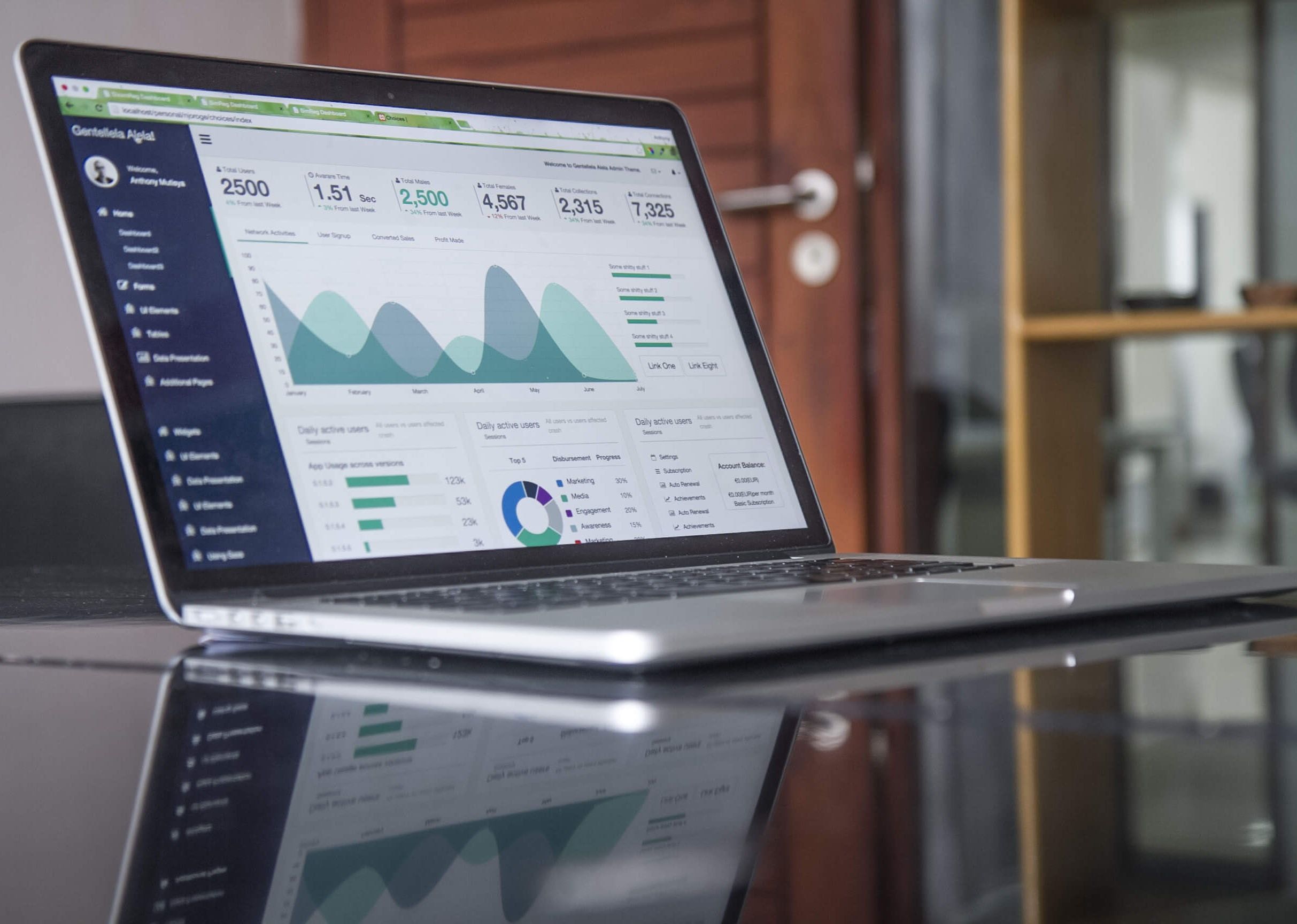
Laptop displaying a digital dashboard with charts

Making Tax Digital for VAT requires VAT-registered businesses to keep specified records digitally and submit VAT returns through compatible software, unless an exemption applies. These requirements also cover businesses that registered voluntarily below the VAT registration threshold.

MTD for VAT is already in operation. It is separate from MTD for Income Tax, so a sole trader may need to consider both sets of rules. Being prepared for one does not automatically mean the other is covered.

Do you still need to sign up?

HMRC says VAT-registered businesses should now be enrolled in MTD for VAT and no longer need to sign up themselves. The practical task is to make sure the business has suitable software, the necessary authority to use it and a record-keeping process that meets the requirements.

Do not rely on older instructions about a future launch date or a separate sign-up deadline. If you have recently registered, confirm your VAT registration details and the first reporting period before setting up the return.

Which information must be kept digitally?

The required digital records include information about the business and its VAT registration, together with relevant sales, purchases and VAT amounts. What needs recording can vary with the transactions and VAT scheme involved. Special arrangements, such as retail or margin schemes, need particular attention.

Entering figures in software does not automatically replace the underlying evidence. Keep invoices and other supporting documents in an acceptable form. A bank feed can help organise transactions, but a bank entry alone may not establish the VAT treatment or support a claim for input tax.

Can you keep using spreadsheets?

Yes, spreadsheets can form part of a compliant setup when used with suitable bridging software or other compatible software. You do not necessarily need to replace a working system with a single accounting package.

Where information moves between programs forming the required digital records, the transfer must use digital links. Linked spreadsheet cells and file imports or exports can qualify; manually retyping or copying and pasting the figures between those programs does not. Ask how the full route from records to return will work before choosing a product.

Check the software connection and responsibilities

Use HMRC’s software finder to check suitable options, then confirm that the product supports the way your business accounts for VAT. The software must be authorised to connect to HMRC. That authority normally lasts 18 months, so a previously working connection may need renewing.

If an accountant submits the return, agree who maintains the records, checks missing information, prepares the calculation and approves submission. Confirm how records will be shared digitally. A filing arrangement should not leave either side assuming that the other has checked an unfamiliar transaction.

Digital filing does not change every VAT deadline

Most businesses submit VAT returns every three months. The usual online filing and payment deadline is one calendar month and seven days after the accounting period ends, although some schemes have different arrangements. Check the dates shown in your VAT account.

You must normally submit a return even when there is no VAT to pay or reclaim. Before filing, check the reporting period, sales and purchases, adjustments and any unusual transactions. Keep the submission confirmation and allow enough time for any payment to reach HMRC. Software submission and payment are separate actions.

What if digital reporting is not practical?

An exemption may be available where using digital tools is not reasonable or practical, for example because of disability, a health condition, age, location or religious beliefs. It is assessed on the circumstances, rather than simply a preference for paper records.

Some situations are automatically exempt; others require an application to HMRC. If you apply, continue sending returns in your usual way until HMRC confirms its decision. An agreed exemption changes how you keep and submit information, not whether you have VAT obligations.

Arrange the level of VAT help you need

IB Service can check and submit VAT figures you have already calculated, or prepare the calculation and return from your records under the agreed package. The team helps organise the relevant software setup and submission process. Share your current system, next deadline and any gaps in the records so the work and fees can be confirmed before proceeding.

Official guidance

Need help?

Let our specialists guide you through it

Legal, accounting and tax expertise from a dedicated UK team.

Contact us


Other articles

View all →
Making Tax Digital: What the Self-Employed Need to Know

Making Tax Digital: What the Self-Employed Need to Know

The UK government is changing how self-employed individuals and landlords report Income Tax under the MTD initiative.

When doing business in Post-Brexit UK

When doing business in Post-Brexit UK

Starting or continuing a business in the UK post-Brexit is relatively easy and has many advantages.

Effective Bookkeeping Strategies for Startups in the UK

Effective Bookkeeping Strategies for Startups in the UK

Maintain financial health and compliance with consistent practices that support smart decisions.

Navigating Family Law and Domestic Issues: Key Insights and Updates for 2024

Navigating Family Law and Domestic Issues: Key Insights and Updates for 2024

Family law, as every other law, continues to evolve by reflecting changes in society, technology, and policy. As we move through 2024, several updates and…

Revolutionising Accounting: The Digital Transformation Journey

Revolutionising Accounting: The Digital Transformation Journey

The accounting industry is on the brink of a revolutionary transformation in today’s rapidly advancing digital age. As businesses adapt to the demands of a…

UK Debt Relief: Bankruptcy and Alternatives

UK Debt Relief: Bankruptcy and Alternatives

An overview of IVAs, Debt Relief Orders and bankruptcy in England and Wales, including key differences and where to find advice.

A £100 fine will increase for those that are late!

A £100 fine will increase for those that are late!

If you are self-employed, you are responsible for declaring and paying taxes yourself. PLEASE NOTE, the deadline for sending the electronic income statement…

The tax system in the UK

The tax system in the UK

The tax system in the UK can be quite confusing. In order to avoid mistakes or even penalties, it is necessary to know certain information about what taxes you…

If you decided to leave the UK, you should put your taxes in order

If you decided to leave the UK, you should put your taxes in order

You must notify HM Revenue and Customs if you decide to leave the UK.

Inheritance in Ukraine when you live abroad

Inheritance in Ukraine when you live abroad

Understand Ukraine’s inheritance acceptance deadline, signing an application abroad and what a representative can do under a power of attorney.

Consent Order in a UK divorce

Consent Order in a UK divorce

A consent order is a binding document outlining the mutually agreed-upon arrangements by both parties involved in a divorce. It covers aspects such as property…

How to check personal debts in Lithuania from abroad

How to check personal debts in Lithuania from abroad

Unsure whether you have debts in Lithuania? Find out where to check loans, enforcement cases, tax and health insurance records while living abroad.

How to legalise the document?

How to legalise the document?

An apostille authenticates the relevant signature, stamp or seal on an eligible UK document. Check the receiving authority’s requirements before applying.

Can I live and work in the UK after Brexit?

Can I live and work in the UK after Brexit?

An overview of the EU Settlement Scheme and the distinction between permission to work in the UK and visiting for a short stay.

Power of attorney for Ukraine: arranging it from the UK

Power of attorney for Ukraine: arranging it from the UK

How to prepare a power of attorney for use in Ukraine, including consular and UK notary routes, apostilles and the limits of inheritance representation.

Power of attorney for use abroad: arranging it from the UK

Power of attorney for use abroad: arranging it from the UK

Arranging a power of attorney in the UK for use overseas? Learn what to check before signing, including notarisation, apostilles and translation.

Setting up a UK limited company: what to prepare

Setting up a UK limited company: what to prepare

A practical guide to company names, ownership, identity checks and the first steps with HMRC when setting up a UK limited company.

Self Assessment and CIS: getting your tax return right

Self Assessment and CIS: getting your tax return right

Understand how CIS deductions fit into Self Assessment, which records to keep and what determines whether you owe tax or receive a refund.

Child travel consent

Child travel consent

Travelling abroad with a child can require parental consent as well as travel documents. Check the rules for the journey, any court order and the airline before departure.

If I leave the UK permanently, can I get back all of my paid taxes?

If I leave the UK permanently, can I get back all of my paid taxes?

You have decided to return to Lithuania and leave the United Kingdom permanently and you do not know whether you can get back all the taxes you’ve paid? Let’s…

Probate

Probate

Probate gives you the legal right to deal with property, money and assets after a person’s death.

International inheritance: UK and overseas estates

International inheritance: UK and overseas estates

Dealing with an inheritance involving the UK and another country? Understand which rules may apply, the documents needed and the practical next steps.

Settled or Pre-Settled?

Settled or Pre-Settled?

Settled and pre-settled status protect the rights of eligible people under the EU Settlement Scheme. Eligibility, residence and application deadlines depend on your circumstances.

Why do business in the UK after Brexit?

Why do business in the UK after Brexit?

One of the biggest advantages of doing business in the UK is the ease of doing business here. According to the World Bank, the UK is one of the best-rated…

Why is it worth starting a Limited company?

Why is it worth starting a Limited company?

Being self-employed may be the most suitable path for many, but working as a limited liability company has definite advantages.

Cash basis accounting: how it works for sole traders

Cash basis accounting: how it works for sole traders

How cash basis records income and expenses, who can use it and when traditional accounting may be more suitable for your business.